How to Replace your Air Filter

An introduction to HVAC systems, their components, and their importance in maintaining indoor comfort.
How to Replace your Air Filter

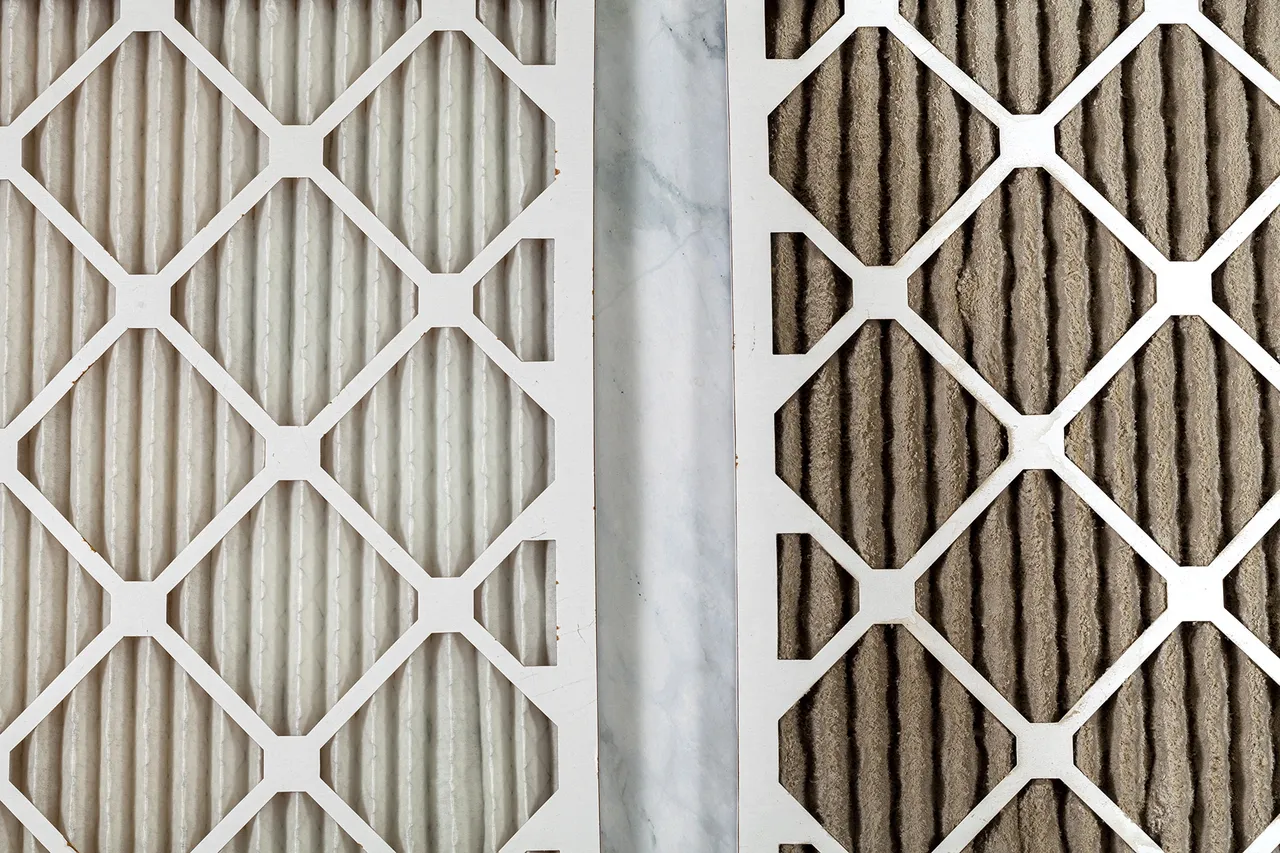
We’ve said it before and we’ll say it again - one of the most important maintenance tasks you can do as a homeowner is change your air filter. Ideally, you should change them at the start of each heating and cooling season, but there’s no harm in changing them more often than that (and we recommend it), especially if you live in a very dry & dusty climate, or you have pets. Dirty air filters reduce the efficiency of your air conditioning unit and negatively impact the quality of the air in your home. Yuck!

So, how do you know if your air filter is dirty? A good point of reference is knowing how your air filter is supposed to look when it’s brand new. A brand new filter will look white or off-white. However, over time, as it accumulates dust and dirt, it will turn darker in colour. When checking your air filter, make sure you do so in natural day light, or with a flashlight, as sometimes pollen and dust are hard to see.

Now let’s get to the fun part and talk about how to actually change the air filter…
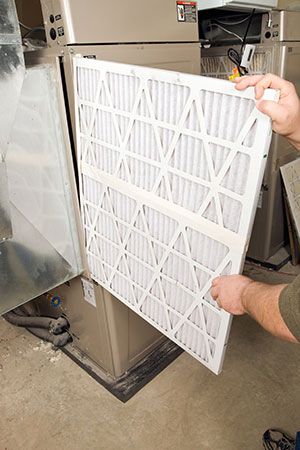
If your home has an air handler or furnace, the air filter can be found within or near the air handler/furnace.

  • First, turn the unit off. This is very important for safety reasons. If you cannot figure out how to turn off the actual unit, turn off the breaker.
  • Locate the area which houses the air filter near the air supply and remove the panel.
  • Remove the used filter.
  • Check the Air Flow Arrows and install the new filter. Make sure the Air Flow Arrows are pointing toward the HVAC unit.
  • Replace your panel.
  • And finally, turn the unit (or breaker) back on!

Easy!

Two very important things to remember:

  1. Replace the air filter with a new filter that has the same airflow rating. Before buying a replacement filter, check your owner's manual to identify the right number or size of your filter – it could also be printed on the side of your existing air filter.
  2. Line up the air flow arrows in the correct direction. That arrow must always face toward the furnace and away from the return duct that carrier the air in need of heating or cooling. When a furnace filter is installed backwards, the fibres won’t be able to do their job properly. This means your furnace has to work harder to generate the same air flow, resulting in a decrease in efficiency and an increase in energy costs! Particles filtered from the air will also build up irregularly, making the furnace work even harder to draw air.

Remember, if you’re ever not sure about something, reach out to Farr Mechanical & one of our qualified technicians will be happy to assist you with any of your HVAC needs.

Experience the excellence of Farr Mechanical's top-notch heating, cooling, and geothermal solutions for your home.

Get a Quote

More Blogs

What Does it Mean if my Furnace gets Red Tagged?

Read More

Is It Time to Replace Your Air Conditioning Unit?

Read More

How to Replace your Air Filter

Read More