Your home's HVAC system is a complex network of components working together to keep you comfortable year-round. Understanding how it all works can help you troubleshoot minor issues, communicate effectively with HVAC technicians, and make informed decisions about maintenance and upgrades. This guide breaks down the essentials in plain language, avoiding technical jargon.

Your home's HVAC system is more than just a thermostat. It's a complex network of components working together to keep you comfortable year-round. Understanding how it all works can help you troubleshoot minor issues, communicate effectively with HVAC technicians, and make informed decisions about maintenance and upgrades. This guide breaks down the essentials in plain language, avoiding technical jargon.
HVAC stands for Heating, Ventilation, and Air Conditioning. While some systems only provide heating or cooling, a full HVAC system handles all three aspects of indoor climate control. Let's look at the main parts:
In colder months, the furnace is the heart of your heating system. Most residential furnaces burn natural gas or propane to generate heat. An electronic igniter or pilot light starts the combustion process within the furnace's burners. The heat produced warms a component called the heat exchanger.
A blower fan then forces air across the heat exchanger, absorbing the heat. This warmed air is then distributed throughout your home via a network of ducts.
Alternative Heat Sources: While gas furnaces are common, some homes use electric resistance heaters, heat pumps (which we'll cover later), or even oil-burning furnaces. The fundamental principle remains the same: generate heat and distribute it.
Your air conditioner doesn’t make cold air—it moves heat out of your home. When you turn the AC on, warm air from inside your house is pulled in through the vents and cooled. That cooled air is then pushed back through the vents using the same fan that heats your home in the winter.
The heat that was removed from the air is carried outside and released into the outdoor air. This process repeats over and over until your home reaches the temperature you’ve set on the thermostat.
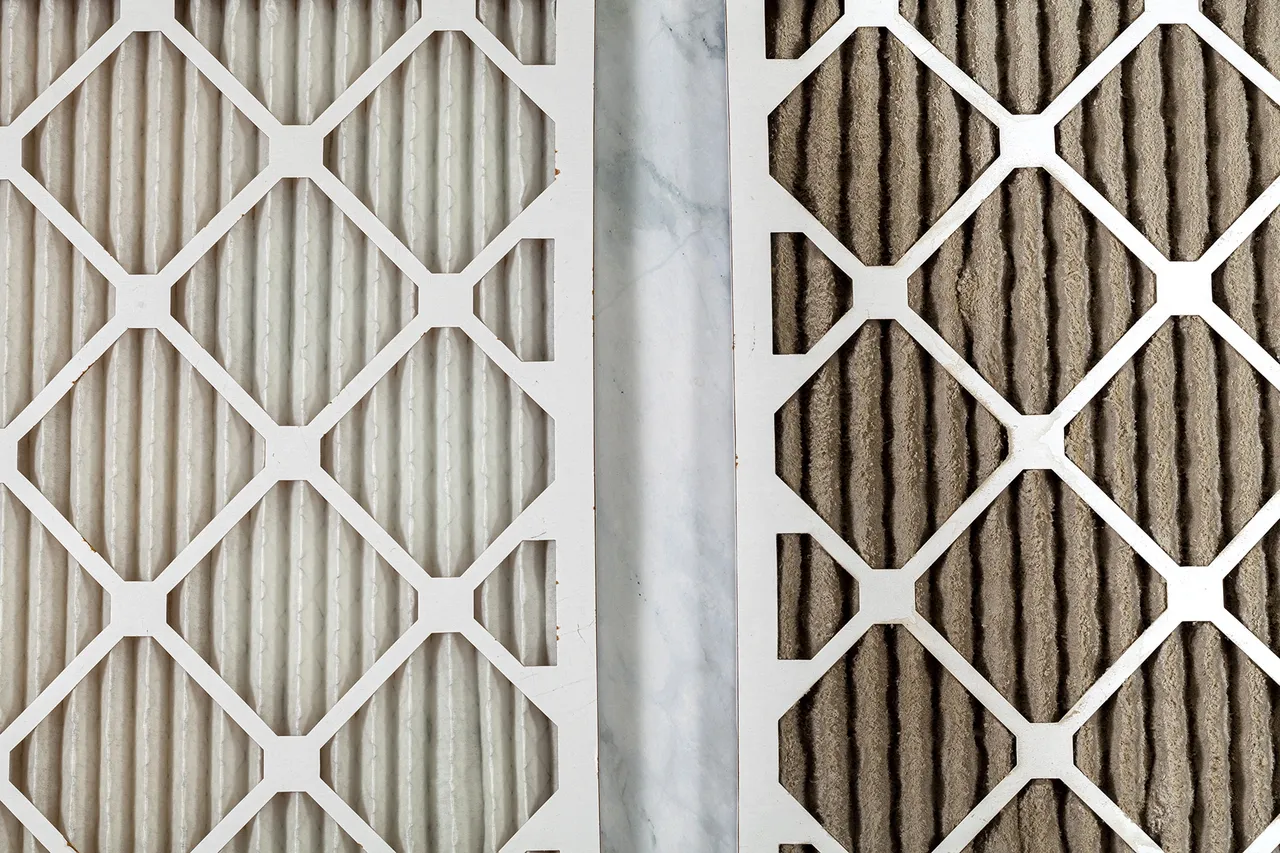
Because your air conditioner depends on clean airflow and working parts, simple things like dirty filters or a blocked outdoor unit can make it work harder and cool less effectively. Regular maintenance helps keep your system running smoothly, cooling properly, and lasting longer. To keep your AC in good shape, we recommend scheduling annual maintenance, which you can learn more about at https://farrmechanical.ca/maintenance.
Ductwork is the network of channels that carries heated or cooled air throughout your home. It's typically made of sheet metal or fiberglass duct board. Properly sealed and insulated ductwork is crucial for system efficiency. Leaky ducts can waste a significant amount of energy.
The thermostat is the control center of your HVAC system. It senses the temperature in your home and signals the furnace or air conditioner to turn on or off to maintain your desired temperature. Modern thermostats can be programmable or even
.webp)
.webp)